
"Beauty is eternal, maintenance is daily, and compliments on your Bloom never get old." — Alphenia Petalwind, bloom cultivator
Origins
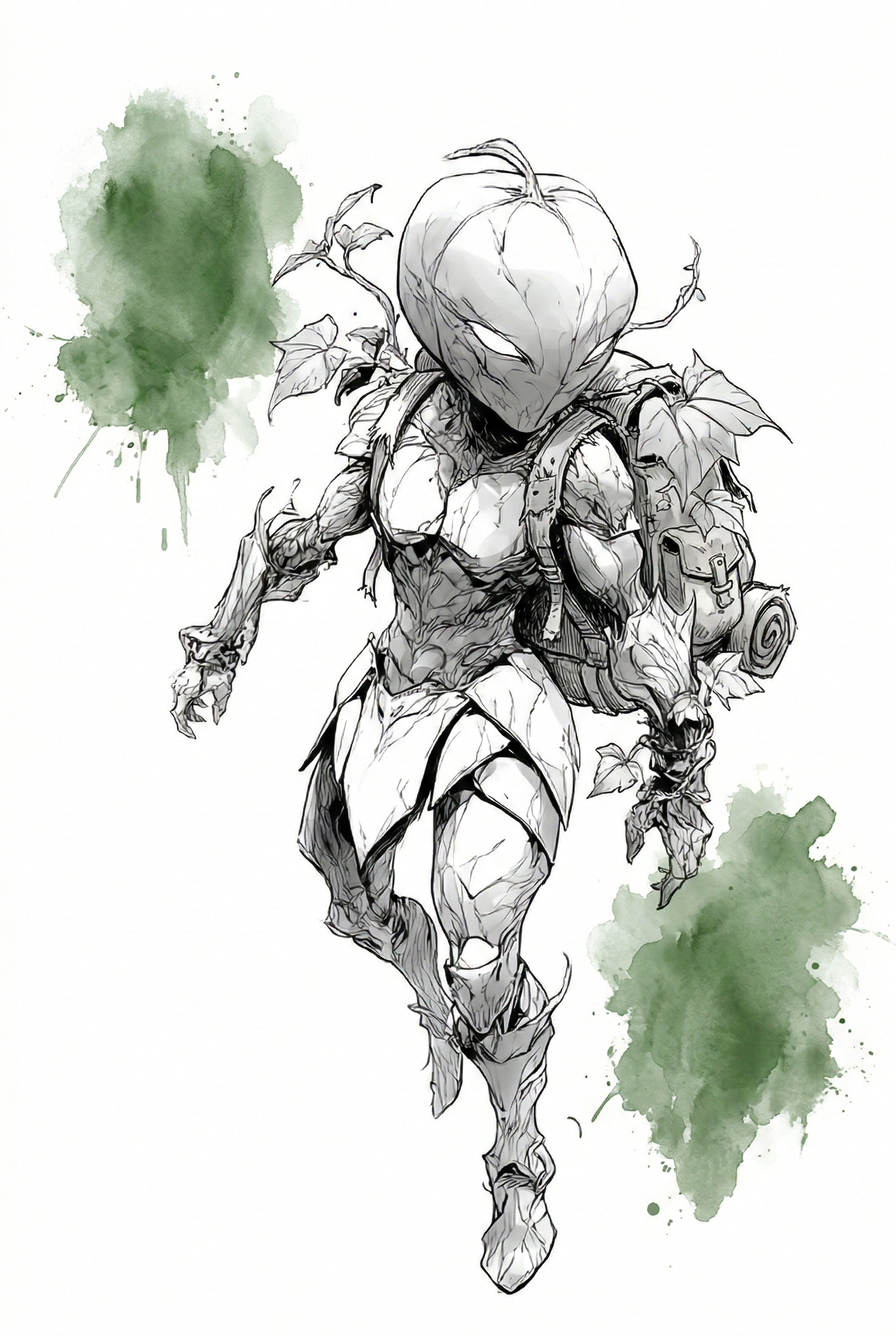
Bloomborn began as Earth's nymphs, saved from Gaia's death by Eris in what represents either cosmic heroism or spectacular good intentions gone catastrophically wrong. During the First Wave migration period, Eris approached the nymphs with promising news: she'd discovered an extradimensional rift that would deliver them safely to Venus's fertile valleys, bypassing the dangerous conventional journey.
The nymphs followed Eris into Tartarus where the rift supposedly awaited. What she'd actually found was a tear in reality connected to the surface of the Sun itself. When Eris opened the rift, solar fire flooded into the underworld. The nymphs' physical bodies vaporized instantly, leaving only their immortal souls trapped as bodiless spirits in Tartarus—neither dead nor truly alive, creating spiritual discomfort in a realm designed exclusively for the deceased.
Metem orchestrated their rescue through one of the most ambitious engineering projects in cosmic history. Consulting with Persephone and Demeter, he developed "living metal": a mystical substance combining plant matter from dead Gaia with salvaged metals, imbued with flora life force. Each Bloom he crafts represents functional artwork: bark-like harder sections for protection, leaf-soft flexible areas for movement, vine-like structures creating muscle-equivalent systems. He considers the Bloomborn his greatest artistic achievement, treating each commission as sacred responsibility rather than mere craftsmanship.
Form & Function
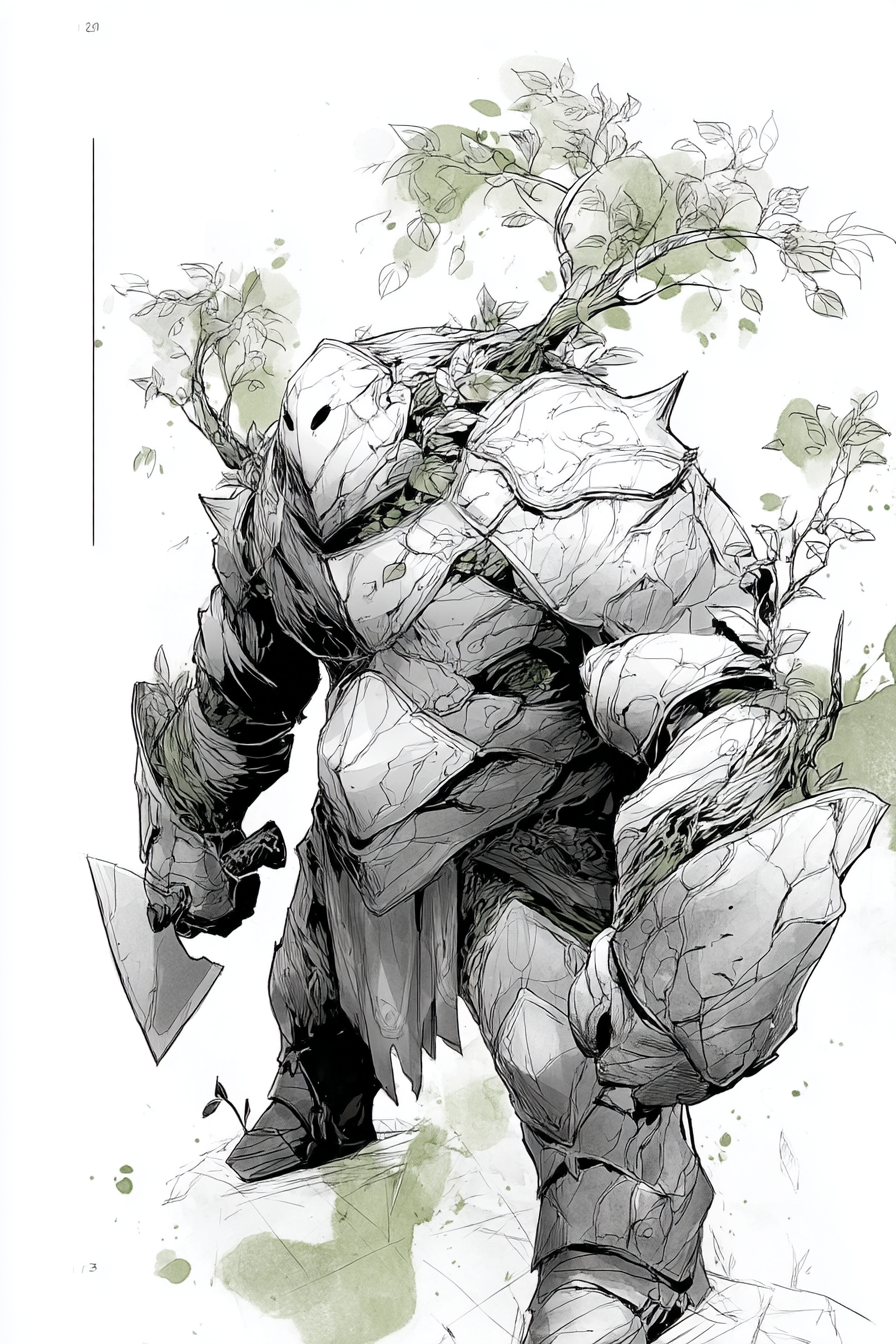
Bloomborn exist as pure energy spirits inhabiting crafted bodies called Blooms: unique living metal shells serving as both armor and artistic expression. Each Bloom is individually designed by Metem, combining plant materials from Gaia's ruins with metals from fallen civilizations. No two are identical; each reflects the nymph's desires, personality, and original nature.
As "aging," plant remnants periodically sprout around their surfaces. These can be manicured like hair or allowed to flourish into decorative gardens, creating personal aesthetic choices that vary widely between individuals.
Lifespan: Bloomborn achieve functional immortality as long as Blooms remain intact. Unlike their original nymph immortality, catastrophic Bloom destruction would end existence permanently with no possibility of resurrection. This creates a paradox of conditional eternal life, meaning they cannot die of age or disease, but can be killed. Not every nymph makes the choice to exchange their spirit's immortality for physical form, some would rather suffer as a shade than be trapped in a metal body.
Reproduction: They reproduce through soul-seeding, requiring explicit consent from partners of any lineage. This involves temporarily splitting soul portions to bond with developing embryos, temporarily weakening Bloomborn parents during recovery periods. Children with divine parents inherit Theogen eyes. Bloomborn children with human-appearing lineages appear primarily like their non-Bloomborn parents but carry distinctive floral skin markings, reduced nutritional needs, enhanced disease resistance, and increased natural beauty.
Natural Abilities:
- Functional immortality while Bloom remains intact
- Reduced nutritional needs
- Natural resistance to disease
- Unique soul-seeding reproduction creating beneficial hybrid offspring
Limitations:
- Complete dependency on Bloom integrity for survival
- Unofficial repairs or grafts (anything not crafted by Metem) can have unpredictable effects on the Bloom
- Temporary weakening after soul-seeding reproduction, during the parent's recovery period
- Psychological stress from conditional mortality after eons of true immortality
Mind & Society
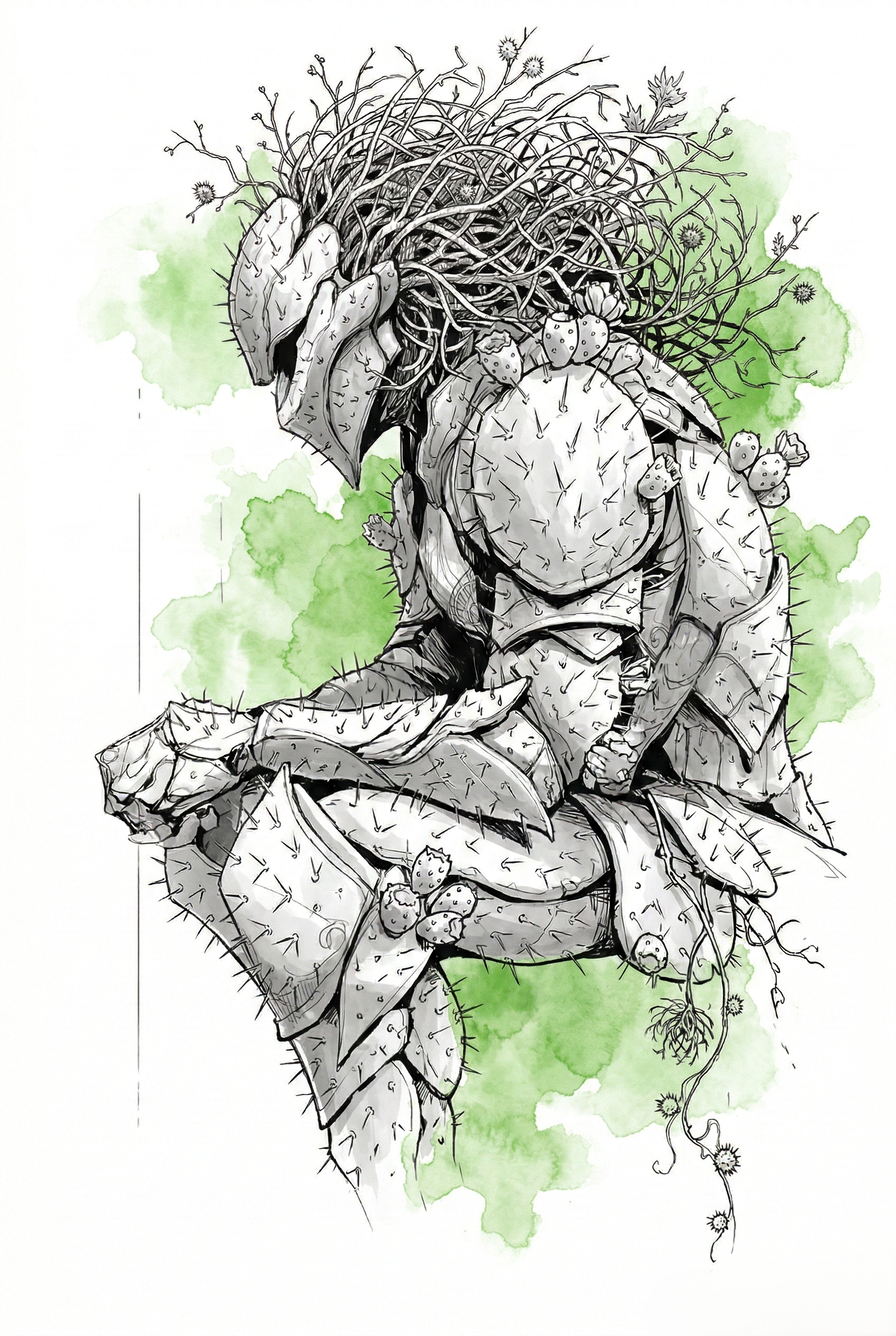
Bloomborn psychology reflects complex relationships between immortal nymph memories and current Bloom existence. They remember their original lives with perfect clarity, though most have adapted well after centuries in artistic metal bodies. Their mortality-within-immortality creates cautious behavior patterns. Having been immortal for eons, knowledge that destroying Blooms would end existence entirely creates careful risk assessment and protective behavior.
Communities often form based on original nymph types. Forest nymphs gravitate toward woodland environments, water nymphs preferring coastal areas, and so forth, though some choose adventurous lifestyles in entirely new environments impossible in their original forms.
Social interactions typically begin with Bloom admiration rituals functioning as both genuine aesthetic appreciation and necessary social bonding. Complimenting designs, discussing gardening techniques for sprout management, and sharing maintenance tips serve practical purposes while maintaining cultural traditions around beauty and craftsmanship. Competition occasionally emerges around Bloom aesthetics, though this tends toward artistic rivalry rather than destructive jealousy.
Other lineages generally view them with fascination tempered by sympathy. Their artistic Blooms inspire admiration and occasional envy, while their tragic origin stories evoke compassion. Europa particularly welcomes their aesthetic contributions, viewing them as living art. Venus values their agricultural knowledge and plant affinity for harvesting the Kosmos's food supply.
Naming Conventions
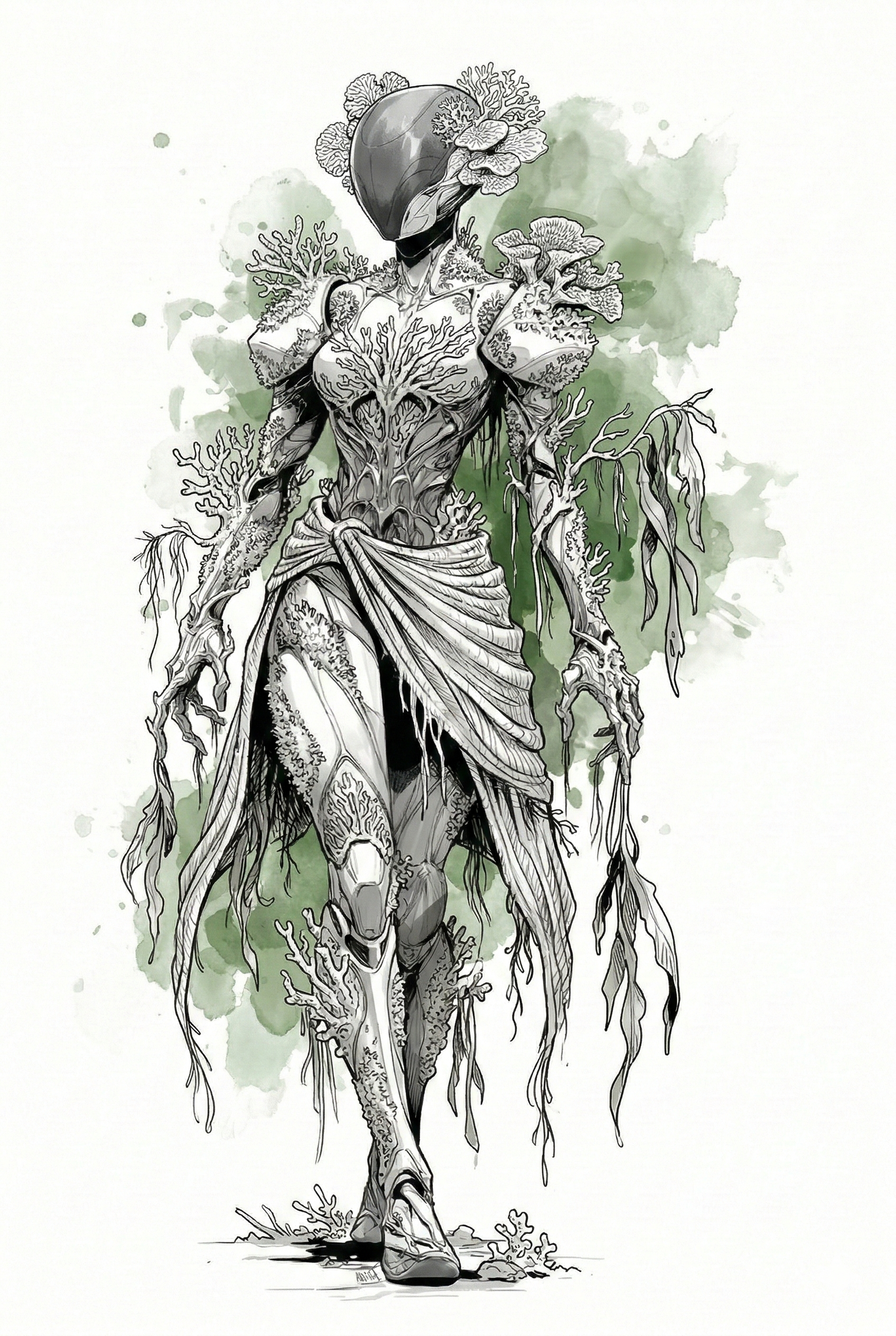
Format: Original Nymph Name or Original Nymph Name of the Bloom Descriptor
Bloomborn carry the names they were born with, their actual, original names from before Gaia died, thousands of years old and drawn from the deep well of Greek nymph mythology. Daphne, Thaleia, Chloris, Kyane, Arethusa, Melania. These aren't naming conventions so much as living history. Every Bloomborn's name is a direct link to pre-Kosmos Earth, to forests and rivers and meadows that no longer exist, spoken by a being who remembers them.
Over millennia of life in their Blooms, many have accumulated secondary names based on their crafted bodies or current lives: Melania of the Copper Vine, Daphne Thornmantle, Chloris of the Shattered Brook, Kyane Ironpetal. The original name says who they were. The secondary name says what they've become. Using only the ancient name implies intimacy or deep respect. Using only the secondary name implies you know the Bloom but not the person inside it. Using both is formal and complete.
Bloomborn children, hybrids produced through soul-seeding with other lineages, typically receive names from their non-Bloomborn parent's tradition, since they aren't nymphs themselves. A Bloomborn mother named Arethusa who soul-seeds with a Promethean partner might have a daughter named Lena who carries distinctive floral skin markings but a thoroughly human name. The ancient nymph names belong to the nymphs. They don't hand them down. They're still using them.
Examples: Ligeia of the Rusted Willow, Nomia Ashbloom, Pherusa of the Braided Wire, Oreithyia Cinderleaf, Syrinx, Caliadne of the Drawn Thorn